Autonomous Systems
MOBULÆ
Navantia Chair on Underwater Robotics and Deeptech Technologies
Media
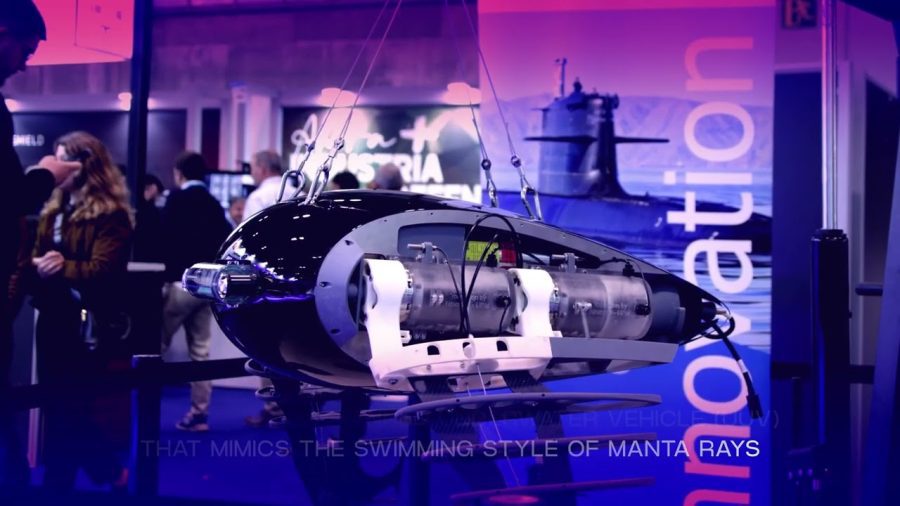
mobulæ
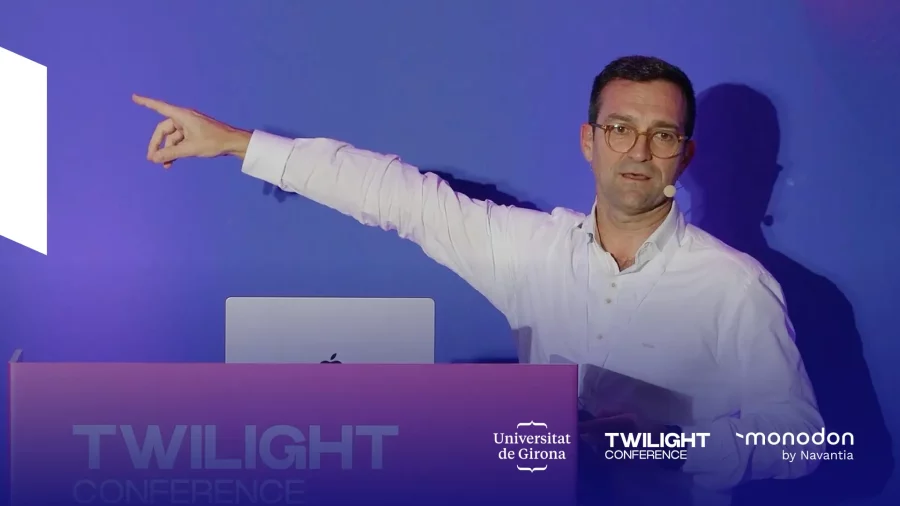
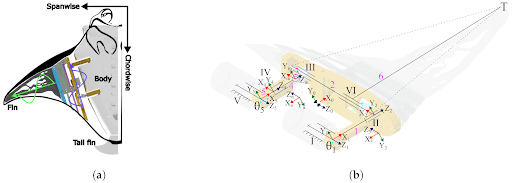
Next-Generation Sensing for Underwater Robotics: Bioinspired and Neuromorphic Solutions. Rafael García
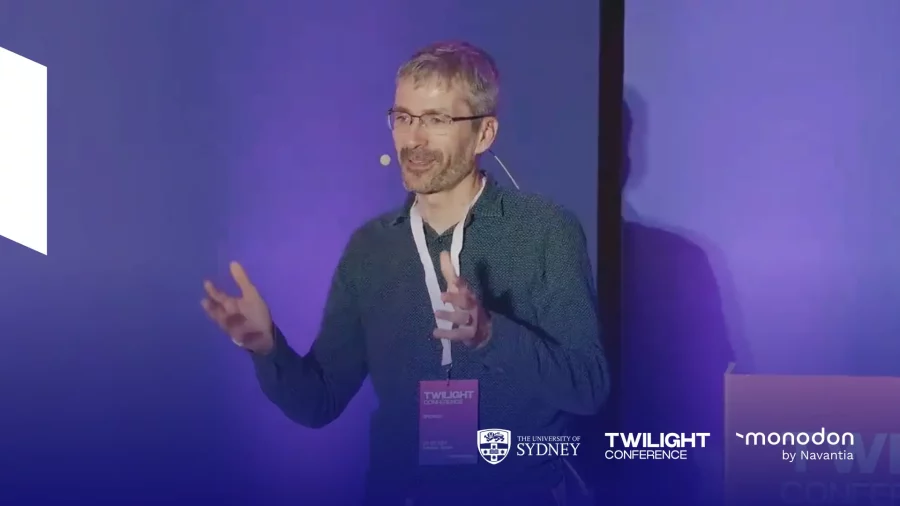
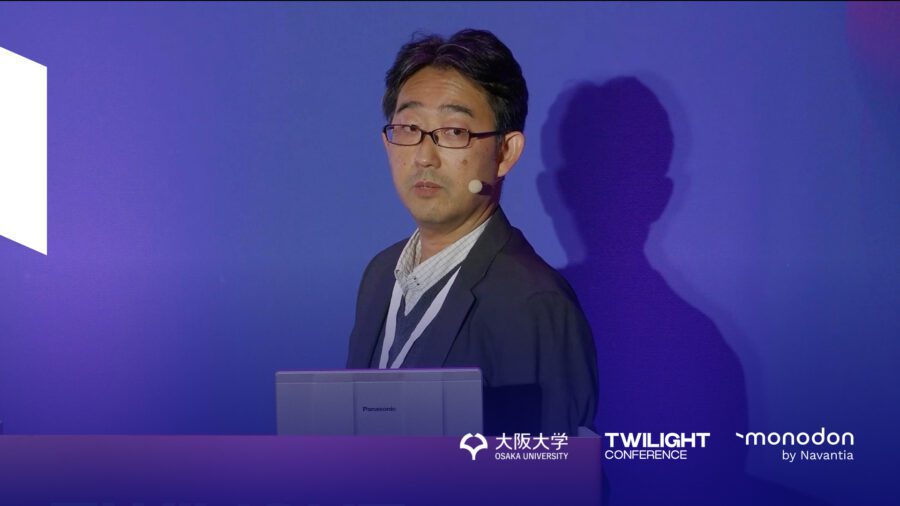
Challenges in Deploying Multi-Robot Systems for Exploration in Marine Environments. Stefan B. Williams
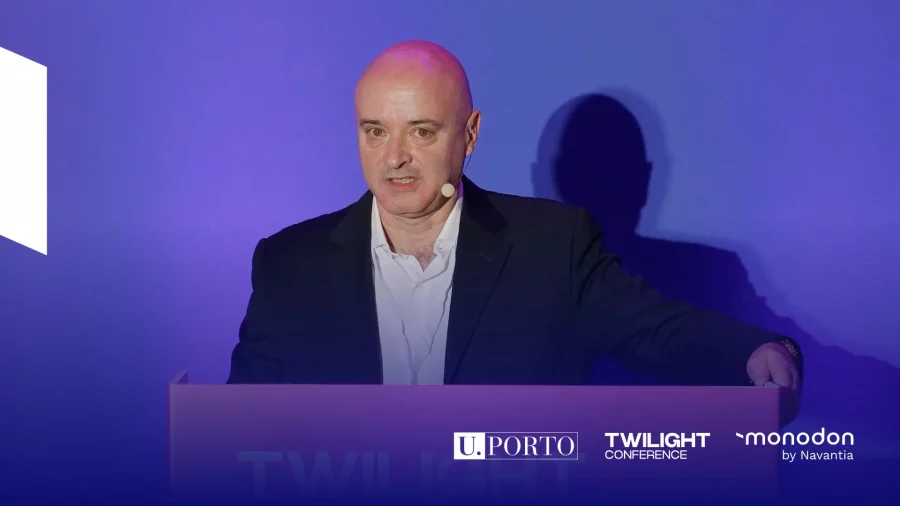
Future operations with multi-domain MUS: a system of systems perspective. Joao Sousa
MOBULÆ Alliance: Strategic Partnership between Navantia and AMC
Mission & Purpose The MOBULÆ Alliance is established to facilitate the joint execution of activities and projects that align with the strategic interests of both society and the Australian Maritime College (AMC).
The Alliance focuses on driving scientific and technological advancements in underwater robotics and DeepTech technologies. By fostering innovation in these fields, the Alliance serves the public interest, providing indirect benefits to society through technological breakthroughs and sustainable development.
Core Objectives & Activities To fulfill its mission, the Alliance focuses on the following primary workstreams:
- Advanced Prototyping
- Deep-Sea Exploration: Design and development of a prototype underwater robot engineered to operate at great depths.
- Collaborative Research
- Development of joint research initiatives focused on the Alliance’s thematic scope, with specific emphasis on:
- Next-Generation Materials: Researching new materials capable of withstanding extreme pressure and corrosive maritime environments.
- Subsea Communications: Advancing the field of underwater data transmission and signal processing.
- Emerging Technologies: Exploring applications in photonics for phase-change materials and neuromorphic computing.
- Development of joint research initiatives focused on the Alliance’s thematic scope, with specific emphasis on:
- Training & Talent Attraction
- Academic Support: Contributing to the practical training of AMC students through mentorships and scholarships for Honours theses, Master’s dissertations, and doctoral projects.
- Promotion: Dissemination of the Navantia hub within the AMC environment and hosting talent attraction talks to bridge the gap between academia and industry.
- Infrastructure
- Joint Laboratory: Creation of a specialized laboratory combining resources from both parties to accelerate testing and validation.
Strategic Value
- Scientific Contribution: Strengthening the academic and technical ecosystem of the AMC.
- Technological Development: Bridging the gap between laboratory research and real-world underwater applications.
- Public Impact: Leveraging high-end engineering to solve complex societal and industrial challenges.
Vision for the Future This union between Navantia and the Australian Maritime College (AMC) represents a strategic commitment to pioneering the next frontier of maritime technology. By uniting industry expertise with academic excellence, we aim to transform disruptive concepts into resilient, real-world solutions that will redefine deep-sea exploration and contribute to a safer, more sustainable maritime future.