Nanotechnology
New materials
monodon, in collaboration with UC3M and the University of Michigan, is working in the field of nanotechnology to create advanced materials.
Media
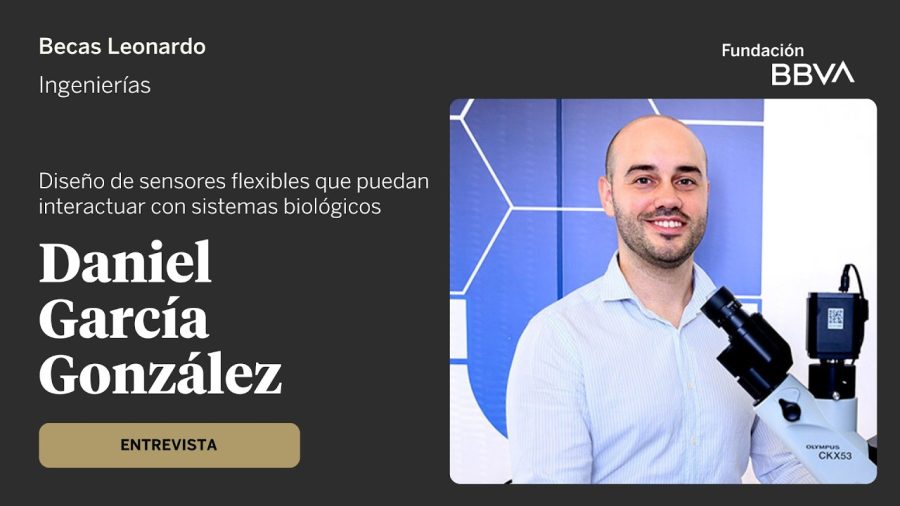
Daniel García – Beca Leonardo 2024
Bioinspired Functional Materials for Adaptation to Marine Environments. Abdon Pena-Francesch
Space-time topology optimization for smart materials and advanced manufacturing. Jun Wu

Accelerating the design and control of smart materials through multifunctional topology optimization, optimal control and machine learning techniques. Rogelio Ortigosa
Hygromorph and poligromorph materials from bioprinting to 4D printing. Fabrizio Scarpa
Multifunctional microrobots powered by light energy. Katherine Villa

Recent advances of electro-active soft polymers as actuators, sensors, and energy harvesters. Mokarram Hossain
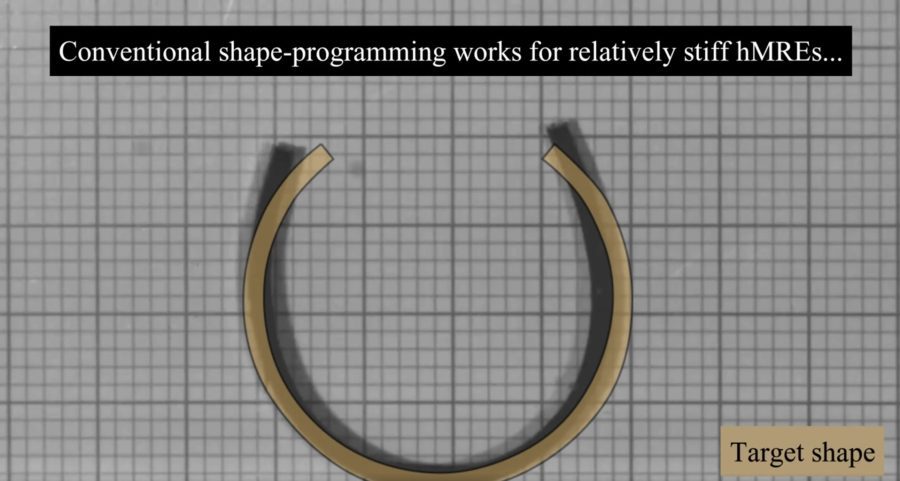
Topology and Material Optimization in Ultra‐Soft Magneto‐Active Structures: Making Advantage of Residual Anisotropies
In this process, nanotechnology allows for the control of the internal structure of matter atom by atom or molecule by molecule. These advances have a significant impact on sectors such as electronics, medicine, energy, construction, and the aerospace industry. For example, nanomaterials can improve the durability of infrastructure, increase battery storage capacity, or enable the development of more compact and efficient electronic devices.
In this regard, we have made progress in recent years on several discoveries concerning materials with electromagnetic capabilities.


Papers
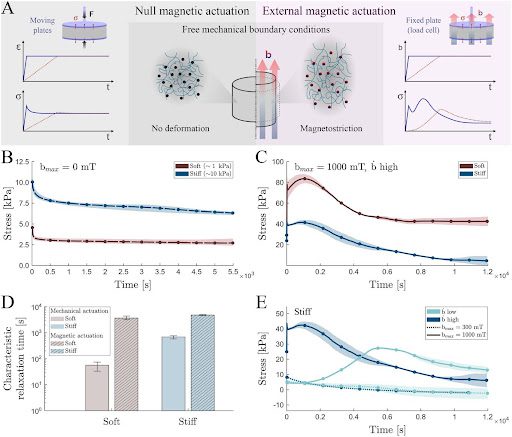
Magnetic‐Driven Viscous Mechanisms in Ultra‐Soft Magnetorheological Elastomers Offer History‐Dependent Actuation with Reprogrammability Options
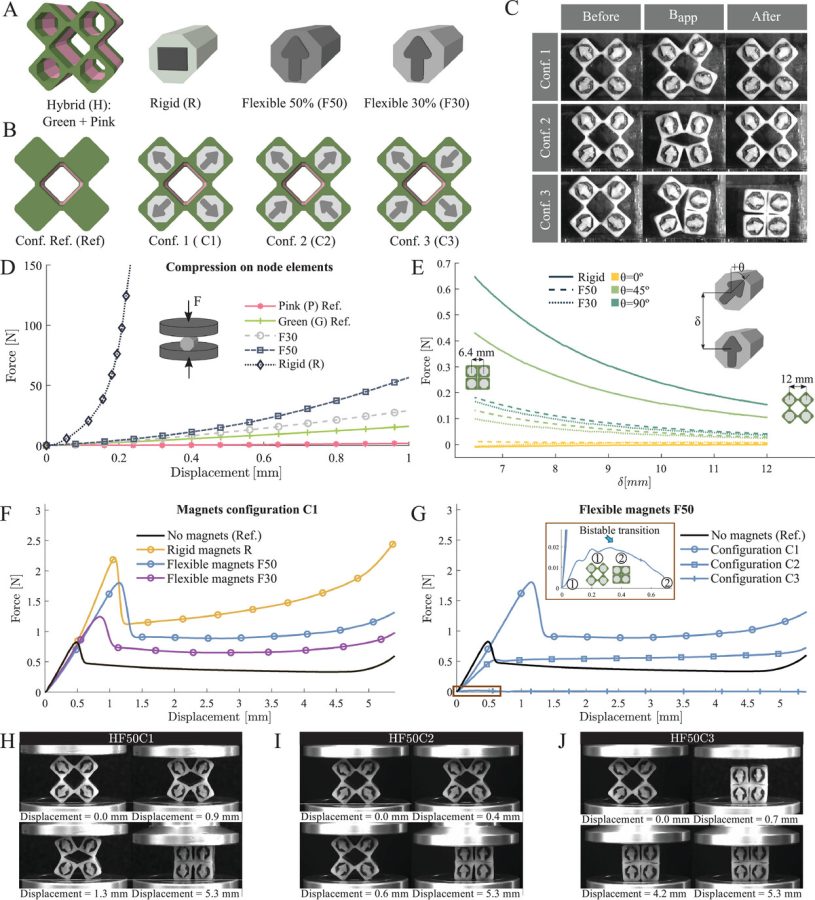
Reprogrammable Mechanical Metamaterials via Passive and Active Magnetic Interactions
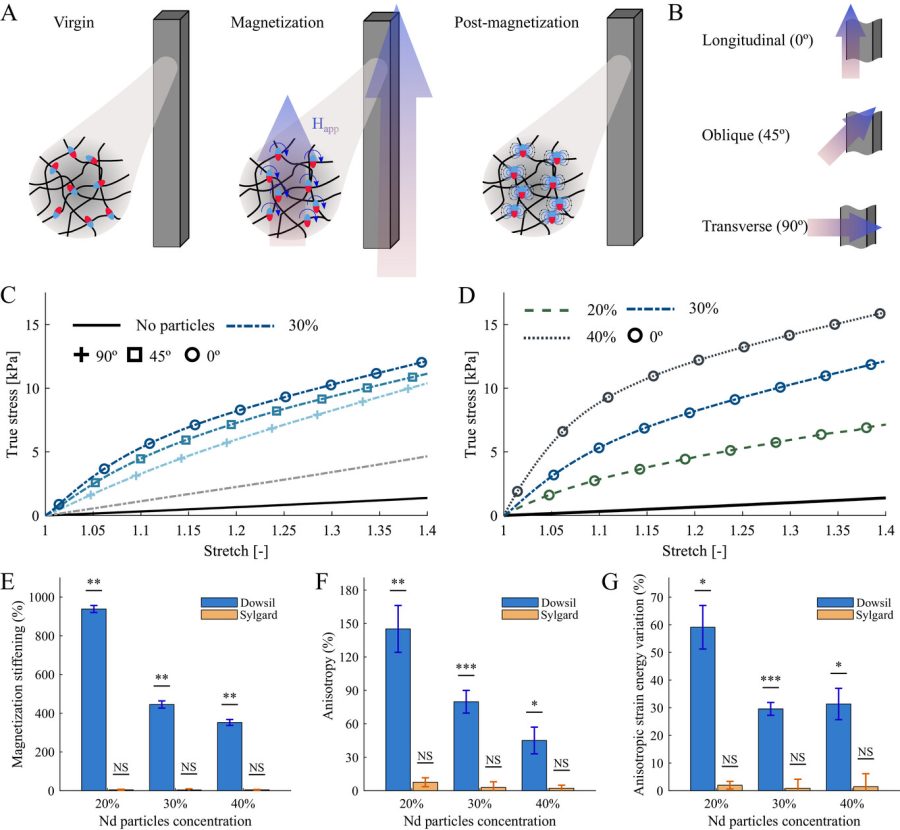
Topology and Material Optimization in Ultra‐Soft Magneto‐Active Structures: Making Advantage of Residual Anisotropies
Biofouling
Media
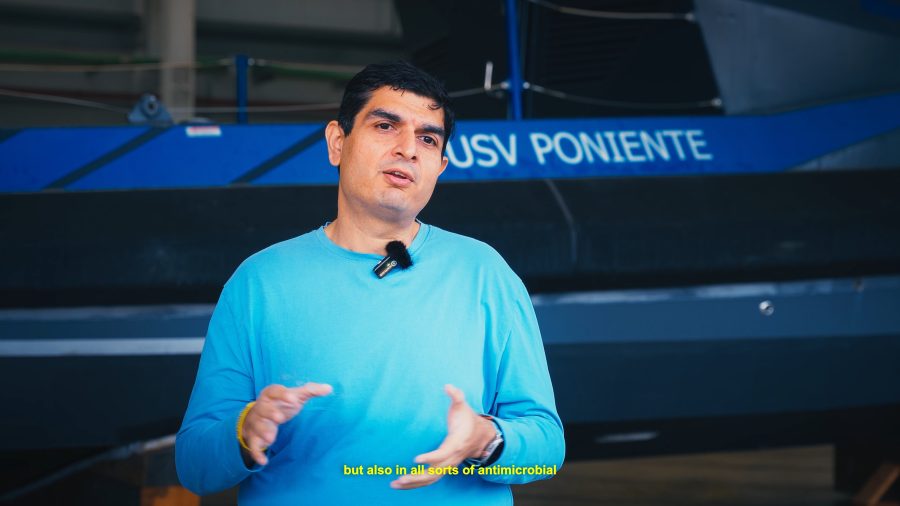
Anish Tuteja, Professor of Material Science and Engineering at University of Michigan
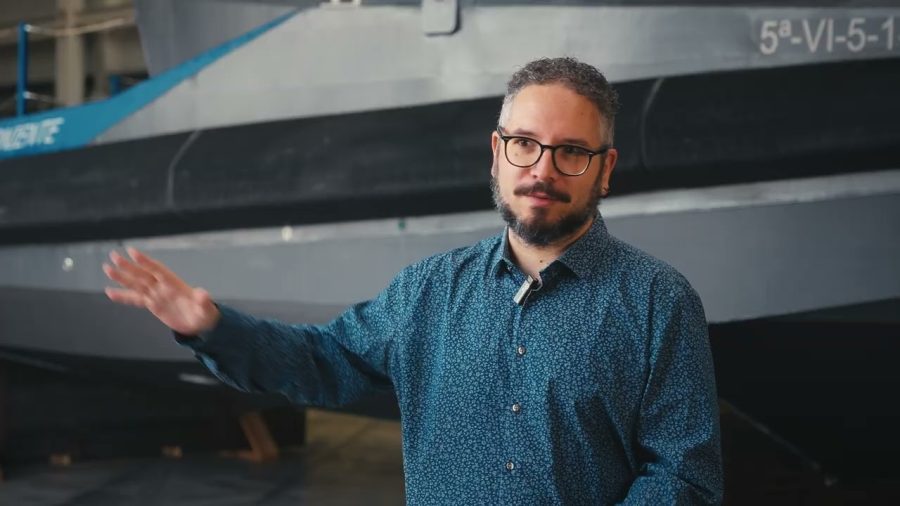
Abdon Pena-Francesh. Professor in the Department of Materials Science and Engineering at the UMichigan
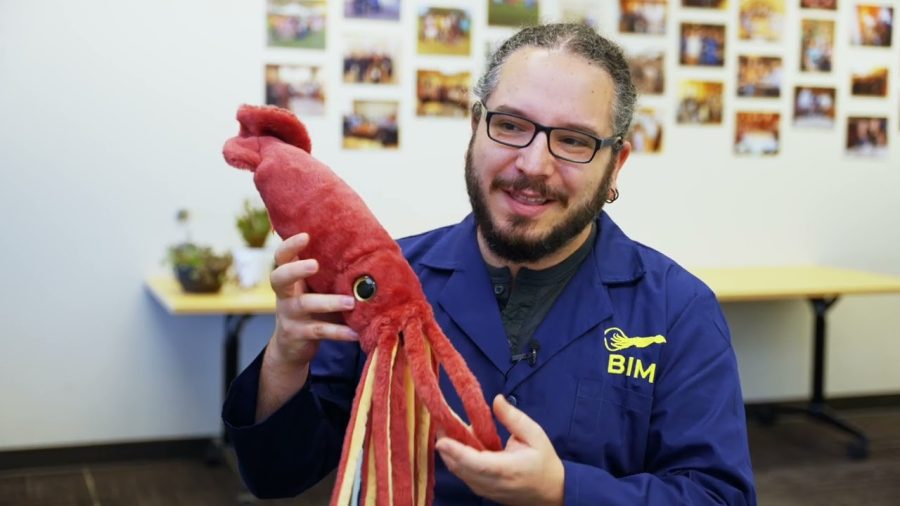
A Look at UMich MSE Labs: The Abdon Pena-Francesch Lab
Bioinspired Functional Materials for Adaptation to Marine Environments. Abdon Pena-Francesch
Innovation in Biofouling Control
Nanotechnology is our key tool for combating biofouling (biofouling), the phenomenon involving the adhesion and growth of organisms on aquatic surfaces.
Through the use of nanomaterials and nanostructured coatings, we modify the surface properties of materials. This allows us to effectively prevent biological adhesion and inhibit microbial growth.
Strategic Partnership: Monodon + University of Michigan
In collaboration with the University of Michigan, we are developing a next-generation biodegradable antifouling system.
- Recent Milestone: This year, we successfully validated the solution on one of our Unmanned Surface Vehicles (USVs).

Related press
Navantia prueba un nuevo material ‘antifouling’ con el ‘USV Poniente’ en la Bahía de Cádiz
Read moreColaboración entre Navantia y la Universidad de Michigan para un recubrimiento marino con menor impacto ambiental
Read moreMonodon by Navantia prueba un nuevo material ‘anti fouling’ en la Bahía de Cádiz – Clúster Naval Cádiz
Read moreSoft Robotics
Media
Daniel García – Beca Leonardo 2024
Soft magneto-responsive materials: from biomedical applications to smart metastructures. Daniel García González

Improving Biohybrid Muscles for Smarter, Stronger Soft Robots. Maria Guix
Topology optimization: State-of-the-art and applications to soft robotics. Niels Aage
Self-propelled nanobots as the new generation of intelligent nanoswimmers. Samuel Sánchez
Novel approaches on soft robotic actuators and sensors. Concepción Monje
monodon and Carlos III University of Madrid, in collaboration with UPCT, the Institut Polytechnique de Paris, and Biomimetic (Greece), are making advances in the research of new materials for soft robotics.
Papers
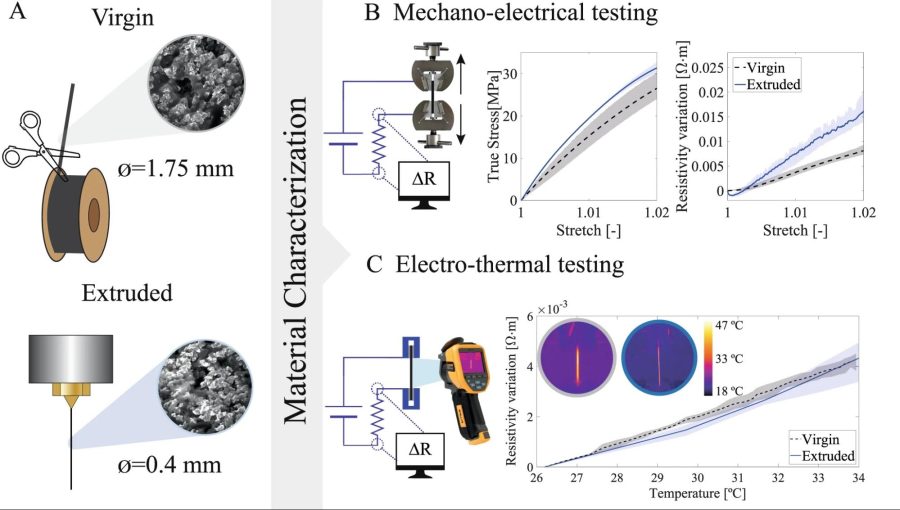
Thermo-electro-mechanical microstructural interdependences in conductive thermoplastics
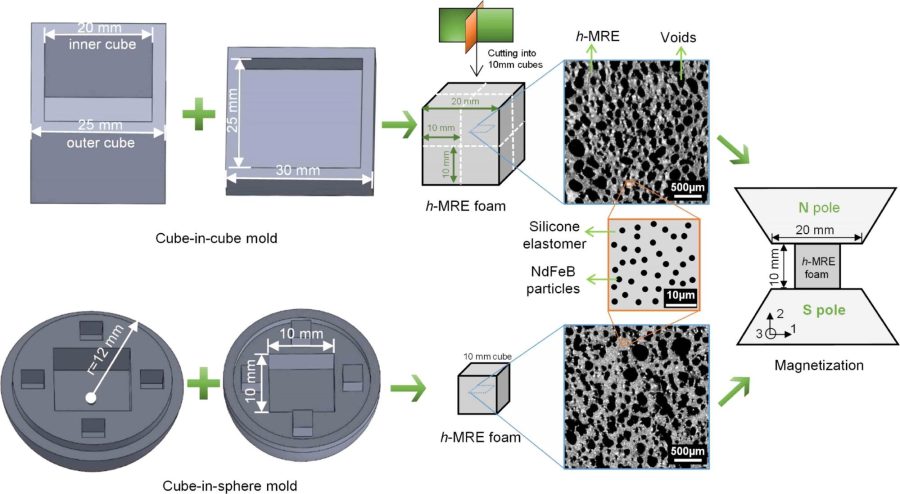
Experiments and modeling of mechanically-soft, hard magnetorheological foams with potential applications in haptic sensing
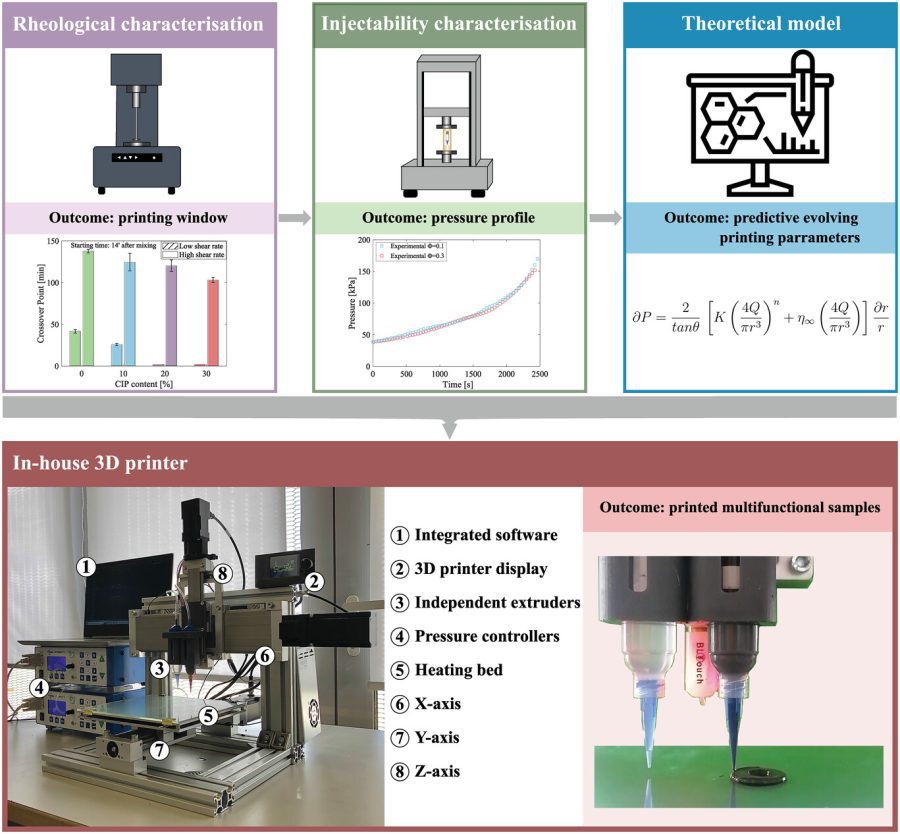
Computationally Guided DIW Technology to Enable Robust Printing of Inks with Evolving Rheological Properties